This campus-scale energy project pairs solid oxide fuel-cell generation with long-duration battery energy storage and centralized controls to reduce grid purchases, manage peak import, and improve energy-cost performance.
MTD is advancing this proposed owner-purchase EPC solution for a large commercial campus in southeastern Pennsylvania.
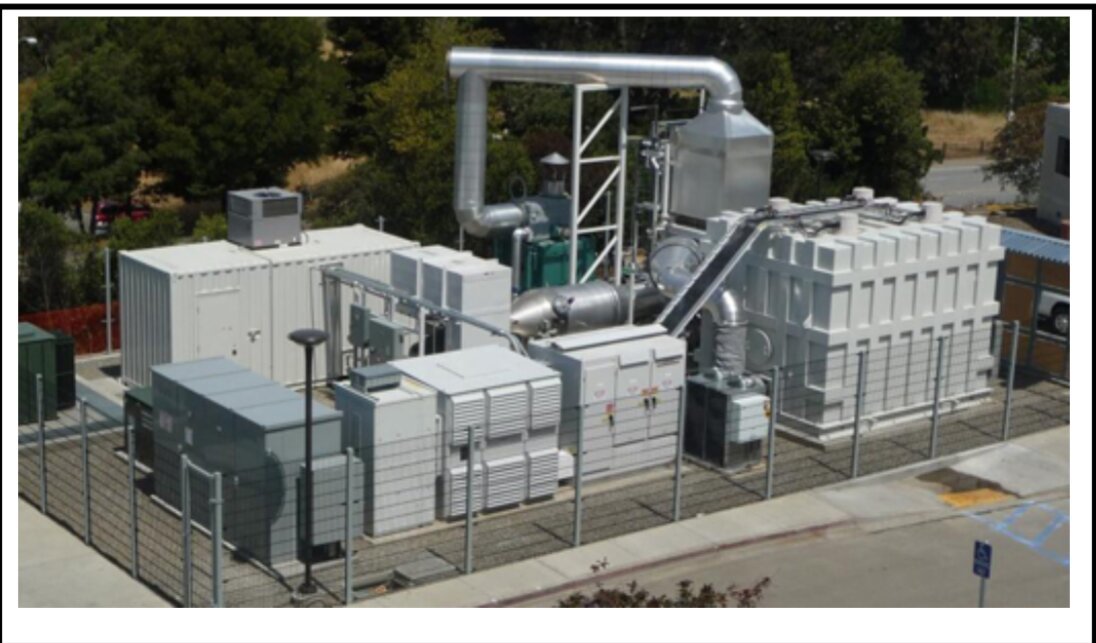
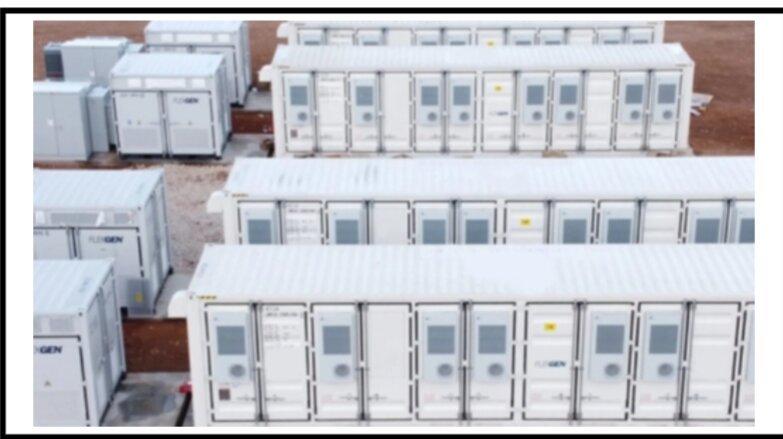
The planning configuration combines 650 kW of Bloom Energy Server 6.5-class solid oxide fuel-cell capacity, dispatched at up to 500 kW, with a 1.5 MW / 6 MWh Eos-class zinc battery energy-storage system and campus energy-management controls.
The result is a load-matched strategy designed to serve on-site demand, reduce utility exposure, and manage high-value peak intervals.
A campus-scale energy strategy combining fuel-cell generation, long-duration storage, and coordinated energy management around facility demand.
An integrated platform intended to support on-site generation, utility-import management, and operating value.
Generate up to 4.0 million kWh annually under the planning dispatch model.
Target a lower grid-import profile through coordinated fuel-cell and battery dispatch.
Planning analysis indicates approximately $558,000 in Year-1 pre-tax operating benefit.*
Six MWh of zinc battery storage supports peak management and demand-response value.
Generate. Coordinate. Control. Create Value.
The SOFC provides steady on-site electric generation. The battery system and campus EMS manage peaks, demand-response participation, and the target grid-import profile.
Two 325 kW-class fuel-cell units provide efficient on-site generation.
Fuel-cell output is planned around campus demand and interval-load requirements.
Long-duration zinc storage and EMS target high-value demand periods.
The coordinated platform supports reduced grid exposure and future tariff benefits.
Integrated power for a complex electrical load.
CAMPUS SOFC + BESS EPC PLATFORM
INTEGRATED CAMPUS ENERGY MANAGEMENT
The planning model evaluates a campus consuming approximately 4.13 million kWh annually, with a stabilized peak near 1.72 MW.
The SOFC dispatch is capped at 500 kW pending 15-minute interval-data validation, while the BESS is sized to reduce high-demand periods and support a lower grid-import target. Final economics require utility, gas-service, equipment, and tax review.
*Planning-level modeled estimates. Actual performance and economics depend on final engineering, site-load validation, utility and gas-service determinations, vendor quotations, and other project-specific assumptions.
This owner-purchase EPC model uses a 500 kW SOFC dispatch cap and battery-plus-EMS controls to pursue an approximately 400 kW utility-import target.
The planning case includes avoided grid-energy value, demand-management value, and demand-response value, but does not depend on solar generation, CHP heat recovery, electricity export revenue, or a hydrogen-production credit.
Two SOFC units are planned to produce up to 4.0 million kWh annually, subject to final dispatch and site-load confirmation.
A 1.5 MW / 6 MWh Eos-class BESS is designed around a four-hour operating basis and centralized energy-management controls.
The case considers demand reduction, demand-response value, and potential future tariff benefits after sustained lower import levels.
The campus is currently all-electric; firm gas service, meter capacity, and an executable delivered-gas supply plan are conditions precedent.
The proposed EPC scope is structured to integrate SOFC generation, zinc battery storage, EMS controls, electrical interconnection, gas infrastructure, permitting, and commissioning into one coordinated campus energy solution.
Two 325 kW-class solid oxide fuel-cell units or approved U.S.-domestic equivalent.
Eos-class 1.5 MW / 6 MWh zinc storage system with campus EMS integration.
Switchgear, protection, transformers, utility interconnection, and controls coordination.
New gas service, meter, firm delivery path, regulation, and fuel-system engineering as required.
Engineering, vendor coordination, permitting, commissioning procedures, and EPC management.
A 20-year planning model with modeled tax benefits, operating value, and future tariff considerations.
The planning model applies a 30% Section 48E credit rate to the $4.50 million SOFC plant and a 40% rate to the $4.11 million BESS + EMS plant.
Engineering is excluded from the modeled credit basis. The modeled 40% BESS figure assumes eligibility for the applicable domestic-content treatment.
All credit estimates require final validation by the owner’s independent tax counsel and tax adviser.
Planning estimate
Federal ITC planning disclosure: The potential Federal Section 48E investment tax credit shown is a planning estimate only—not a tax opinion, tax-credit guarantee, or commitment by Modern Thermal Design. The modeled amount assumes qualifying SOFC and battery-storage property, compliant construction timing, satisfaction of applicable prevailing-wage-and-apprenticeship requirements or an applicable exception, required documentation, and sufficient owner tax capacity. The modeled 40% BESS figure further assumes eligibility for the applicable domestic-content treatment. Eligible basis, credit rate, placed-in-service timing, credit availability, and ultimate value must be confirmed by the owner’s independent tax counsel and tax adviser before contracting or relying on this estimate.
Interested in a campus-scale SOFC + BESS EPC strategy? Contact Modern Thermal Design.
www.modernthermaldesign.com
Project Disclaimer: All figures are planning-level estimates from the supplied owner pro forma. This public description intentionally omits customer identity, address, utility account, and financing-source details. Performance, savings, fuel costs, demand-response participation, tariff treatment, incentives, tax benefits, schedule, and investment outcomes are subject to final engineering, interval data, utility and gas-service determinations, vendor quotations, approvals, agreements, and tax-adviser review. Potential federal ITC figures are planning estimates only and are subject to the specific conditions described above.
Modern Thermal Design
is a recognized leader in renewable energy and large complex commercial and industrial applications. With combined experience of over 100 years, our design-build expertise makes for efficient, cost-effective, and – most importantly successful energy saving projects.
Copyright © [current-year] Modern Thermal Design. All Right Reserved.
Designed by The Biz Technology